
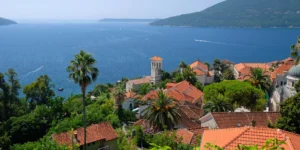
Montenegro packs an unusual amount into a small country.
You can explore a medieval walled town in the morning, take a boat across the Bay of Kotor in the afternoon, spend the following day on an Adriatic beach and then head inland to lakes, forests, mountains and one of Europe’s great river canyons.
For a first visit, we would put Kotor and the Bay of Kotor, Montenegro’s coast, Lake Skadar and Durmitor National Park near the top of the list. What you choose after that depends on whether your priorities are history, beaches, outdoor activities or simply seeing as much of the country as possible.
This guide introduces the best things to do in Montenegro and helps you decide which experiences deserve a place in your itinerary.
Things to Do in Montenegro at a Glance
| Experience | Best for | Where? | Allow |
|---|---|---|---|
| Explore Kotor Old Town | History & first visits | Kotor | Half/full day |
| Bay of Kotor boat trip | Scenery & sightseeing | Kotor Bay | Half day |
| Visit Perast & Our Lady of the Rocks | History & scenery | Perast | 2–4 hours |
| Kotor–Lovćen Cable Car | Mountain views | Near Kotor | 2–4 hours |
| Beaches | Swimming & relaxing | Budva/Ulcinj coast | Half/full day |
| Lake Skadar boat trip | Nature & wildlife | Virpazar | 2–4 hours |
| Kayak Lake Skadar | Active travel | Lake Skadar | 2–4 hours |
| Explore Durmitor | Mountains & hiking | Žabljak | 1–3 days |
| Raft the Tara River | Adventure | Northern Montenegro | Full day |
| Lovćen & Njegoš Mausoleum | Views & history | Lovćen | Half/full day |
| Ostrog Monastery | Culture & religion | Central Montenegro | Half day |
| Food & wine | Food lovers | Various regions | Half/full day |
1. Explore Kotor Old Town
For most first-time visitors, Kotor is one of Montenegro’s essential stops.
Its historic centre forms part of the UNESCO-listed Natural and Culturo-Historical Region of Kotor and contains narrow streets, small squares, churches, palaces and fortifications squeezed between the mountains and the bay.
Rather than simply walking through the Old Town, allow enough time to wander beyond the busiest streets. Visit St Tryphon’s Cathedral, explore Kotor’s squares and churches and, if conditions and your fitness allow, climb into the fortifications above the town for increasingly dramatic views over the bay.
Early morning and evening are particularly rewarding, when Kotor can feel very different from the middle of the day.
The wider Kotor region has been on UNESCO’s World Heritage List since 1979.
Best for: almost everyone visiting Montenegro for the first time.
Planning to stay overnight? Our guide to where to stay in Kotor will help you choose between accommodation inside the walls and a base elsewhere around the bay.
2. See the Bay of Kotor from the Water
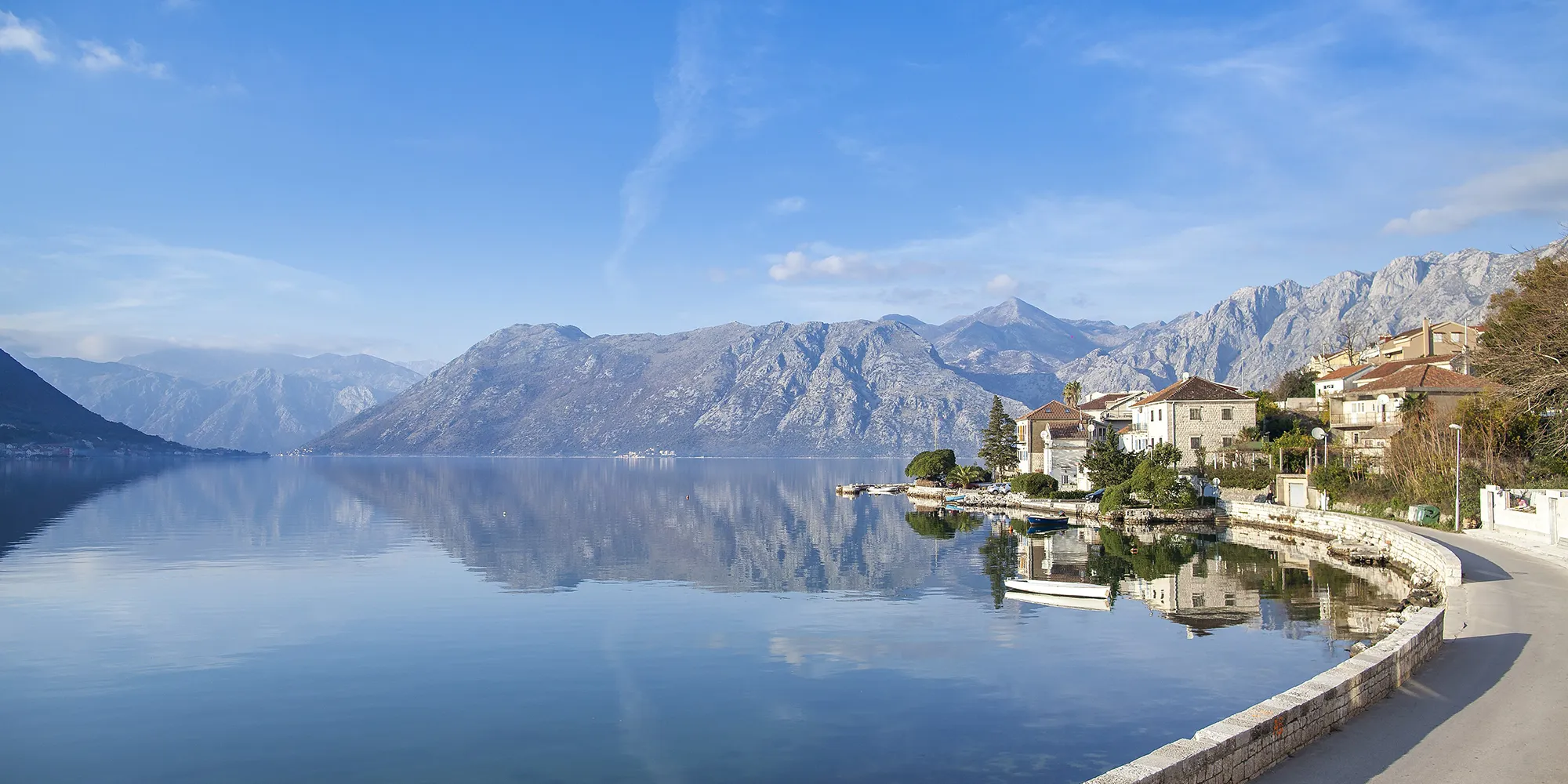

One of the best ways to appreciate the Bay of Kotor is from a boat.
Trips vary considerably. A shorter excursion might concentrate on Perast and Our Lady of the Rocks, while longer speedboat trips commonly travel further around the bay towards the Luštica Peninsula, Blue Cave and other coastal sights.
Official Montenegro tourism information identifies Kotor and Budva among the main starting points for coastal excursions, with Bay of Kotor trips including sights such as Our Lady of the Rocks, the Blue Cave and former submarine tunnels.
If you are only going to pay for one organised activity during a short stay around Kotor, a well-chosen boat trip would be high on our shortlist.
Best for: first visits, couples, families and anyone wanting to see several Bay of Kotor sights in one outing.
3. Visit Perast and Our Lady of the Rocks
Historic Perast sits approximately 12 kilometres around the bay from Kotor and makes an easy excursion.
The small waterfront town contains churches, former palaces and stone houses, but its best-known sight lies just offshore.
Our Lady of the Rocks is an artificial island carrying a church and museum and is reached by boat from Perast.
Don’t necessarily rush straight onto the boat and leave again. Allow some time to walk through Perast itself and enjoy the waterfront.
Visitors staying around Kotor can easily combine the town and island in half a day, while staying overnight gives you the chance to experience Perast after many day visitors have departed. Montenegro’s national tourism organisation describes Perast as around 12 km from Kotor and highlights Our Lady of the Rocks among its principal attractions.
Best for: couples, photography, history and Bay of Kotor sightseeing.
4. Ride the Kotor–Lovćen Cable Car
One of Montenegro’s newer major attractions is the Kotor–Lovćen Cable Car.
The cable car connects Dub, close to Kotor, with Kuk on Mount Lovćen. The journey covers about four kilometres and climbs more than 1,300 metres in altitude in roughly 11 minutes.
The attraction isn’t simply the cable-car ride itself. The dramatic change from the coast to the mountains provides a completely different perspective over the Bay of Kotor.
Operating dates and ticket prices are seasonal, so check current opening dates and ticket information before travelling.
Best for: views, photography, families and visitors who want some mountain scenery without undertaking a major hike.
5. Spend a Day on Montenegro’s Beaches
Montenegro is not solely a beach destination, but its Adriatic coastline gives you plenty of opportunity to combine sightseeing with swimming.
The Budva Riviera has the widest concentration of well-known beaches, including Jaz, Mogren, Slovenska Plaža, Bečići, Pržno and the beaches around Sveti Stefan.
Further south, Velika Plaža — Long Beach — near Ulcinj stretches for around 13 kilometres and provides a very different experience from many of Montenegro’s smaller pebble and rocky beaches.
Ulcinj is also particularly associated with kitesurfing, while kayaking, paddleboarding and other water activities are available in several coastal areas.
Best for: families, couples, swimming, watersports and summer holidays.
A dedicated Best Beaches in Montenegro guide is high on our list of forthcoming articles because the right beach depends heavily on whether you want sand, swimming, facilities, nightlife or somewhere quieter.

6. Take a Boat Trip on Lake Skadar
For a quieter experience away from the Adriatic coast, head to Lake Skadar National Park.
The lake is shared between Montenegro and Albania and combines wetlands, mountains, small settlements, historic sites and an important bird habitat.
Virpazar is the main visitor base on the Montenegrin side and one of the easiest places from which to arrange a boat excursion.
Trips take different routes through channels, open water, water lilies, islands and historic sites, and some include opportunities for swimming.
Official tourism information identifies boat trips as one of Lake Skadar’s principal activities and describes Virpazar as the lake’s most visited settlement.
Best for: nature, couples, families, photographers and slower-paced sightseeing.
7. Kayak Lake Skadar
If you would rather explore under your own power, kayaking is one of the best ways to experience Lake Skadar.
Kayaks can be hired around Virpazar and other parts of the lake, allowing you to explore smaller waterways at a much slower pace than a motorised excursion. Official information also identifies kayaking, cycling, hiking, paddleboarding and birdwatching among the national park’s main activities.
This is one experience where conditions matter. Wind and summer heat can completely change a seemingly easy paddle, so take local advice rather than judging a route solely from a map.
Best for: active travellers, couples, wildlife and photography.
8. Explore Durmitor National Park
If your itinerary allows it, travel beyond the coast to Durmitor National Park.
The northern landscape is completely different from the Bay of Kotor: limestone mountains, forests, high plateaux, glacial lakes and the Tara River Canyon surround the small mountain town of Žabljak.
Durmitor has been a UNESCO World Heritage property since 1980. The park contains dozens of peaks above 2,000 metres and an extensive network of marked hiking routes.
Black Lake — Crno Jezero — close to Žabljak is the most accessible introduction, while hikers can choose from considerably more demanding routes deeper into the mountains.
Don’t try to treat Durmitor as merely a quick box-ticking excursion if your schedule allows more time. Spending two or three nights in the north makes a superb contrast to the coast.
Best for: hiking, scenery, road trips, photography and outdoor holidays.
9. Go Rafting on the Tara River
The Tara River cuts through some of Montenegro’s most dramatic mountain scenery and is the country’s best-known rafting destination.
Trips range from relatively accessible one-day excursions to longer adventures.
The river runs through the Durmitor region, and rafting is one of the national park area’s principal organised activities. Montenegro’s national tourism organisation advises choosing a reputable operator and notes that trips are commonly combined with other outdoor experiences.
If rafting is particularly important to you, consider staying in northern Montenegro rather than spending many hours travelling from the coast solely for one excursion.
Best for: adventure, groups, active families with suitable children and outdoor holidays.
10. Visit Lovćen and the Njegoš Mausoleum
Lovćen National Park sits behind the coast and is closely connected with Montenegrin national history and identity.
Its best-known monument is the mausoleum of Petar II Petrović Njegoš at Jezerski Vrh.
Reaching the mausoleum involves climbing 461 steps, after which extensive mountain views reward the effort.
A visit can be combined with nearby Cetinje, Montenegro’s former royal capital, and the village of Njeguši, associated with the country’s well-known pršut and cheese.
Best for: views, history, culture and scenic driving.
11. Visit Ostrog Monastery

Built dramatically into a near-vertical cliff face, Ostrog Monastery is one of Montenegro’s most important religious sites and one of the country’s most distinctive man-made attractions.
The seventeenth-century monastery is an important Orthodox pilgrimage destination but attracts visitors of many backgrounds. Montenegro’s official tourism organisation describes Ostrog as one of the most visited Orthodox sites.
The monastery lies inland between Podgorica and Nikšić, so it fits particularly well into a road trip or a journey between Montenegro’s coast and northern regions.
Remember that this remains an active religious site rather than simply a tourist attraction. Dress and behave accordingly.
Best for: history, culture, architecture and road trips.
12. Try Montenegrin Food and Wine
Some of Montenegro’s most memorable experiences involve eating rather than sightseeing.
Around Njeguši, look for the area’s smoked pršut and cheeses. In northern Montenegro, traditional mountain cooking includes local cheeses and dishes such as kačamak, while the coast naturally has a stronger emphasis on fish and seafood.
Wine is another area worth exploring. Montenegro grows indigenous varieties including Vranac and Krstač, and small wineries can be found particularly around the Lake Skadar and central/southern regions.
Rather than trying to construct a checklist of national dishes, seek out food associated with the part of the country you are actually visiting.
Best for: almost everybody.
Best Things to Do for Different Types of Holiday
| If you enjoy… | Start with… |
|---|---|
| History | Kotor, Perast, Cetinje, Ostrog |
| Beaches | Budva Riviera, Bečići, Ulcinj |
| Boat trips | Bay of Kotor, Lake Skadar |
| Hiking | Durmitor, Lovćen, Biogradska Gora |
| Adventure | Tara rafting, canyoning, hiking, kayaking |
| Nature | Durmitor, Lake Skadar, Biogradska Gora |
| Photography | Kotor Bay, Perast, Durmitor, Lake Skadar |
| Food & wine | Njeguši, Lake Skadar region, Herceg Novi |
| Without a car | Kotor, Bay boat trips, Budva |
| Road trips | Durmitor, Lake Skadar, Lovćen and inland Montenegro |
How Many Days Do You Need in Montenegro?
With three or four days, concentrate on one region rather than trying to cross the country. Kotor and the Bay of Kotor make a strong first choice.
With around seven days, you can combine the bay with the Budva coast, Lake Skadar or northern Montenegro.
With ten days or more, a multi-centre trip becomes much more attractive, combining coast, lake and mountains.
Montenegro appears small on a map, but mountainous roads, summer traffic and the temptation to stop frequently for views mean journeys can take longer than distances suggest.
What Should You Book in Advance?
You do not need to pre-book every part of a Montenegro holiday.
For summer visits, however, it can make sense to book popular boat trips, specialist activities such as rafting or canyoning, and any experience you particularly don’t want to miss.
For museums, beaches and ordinary independent sightseeing, keeping some flexibility is usually more useful.
We are gradually researching individual tours and activities before recommending them. Where we include booking links, our recommendations will be based on the usefulness and suitability of the experience rather than the level of commission available.
Start Planning Your Montenegro Holiday
If this is your first visit, start with our guides to Montenegro’s destinations and where to stay in Montenegro.
We already have detailed guides to Kotor, the Bay of Kotor, Perast and Our Lady of the Rocks, Herceg Novi, Durmitor National Park and Biogradska Gora, with further destination and activity guides being added as they are researched.
Last checked: October 2026.